Exploring Mt. Fuji and the Beauty of Kawaguchiko
Exploring the beauty of Mt. Fuji, Kawaguchiko and Lake Kawaguchiko
JAPAN
12/19/20258 min read
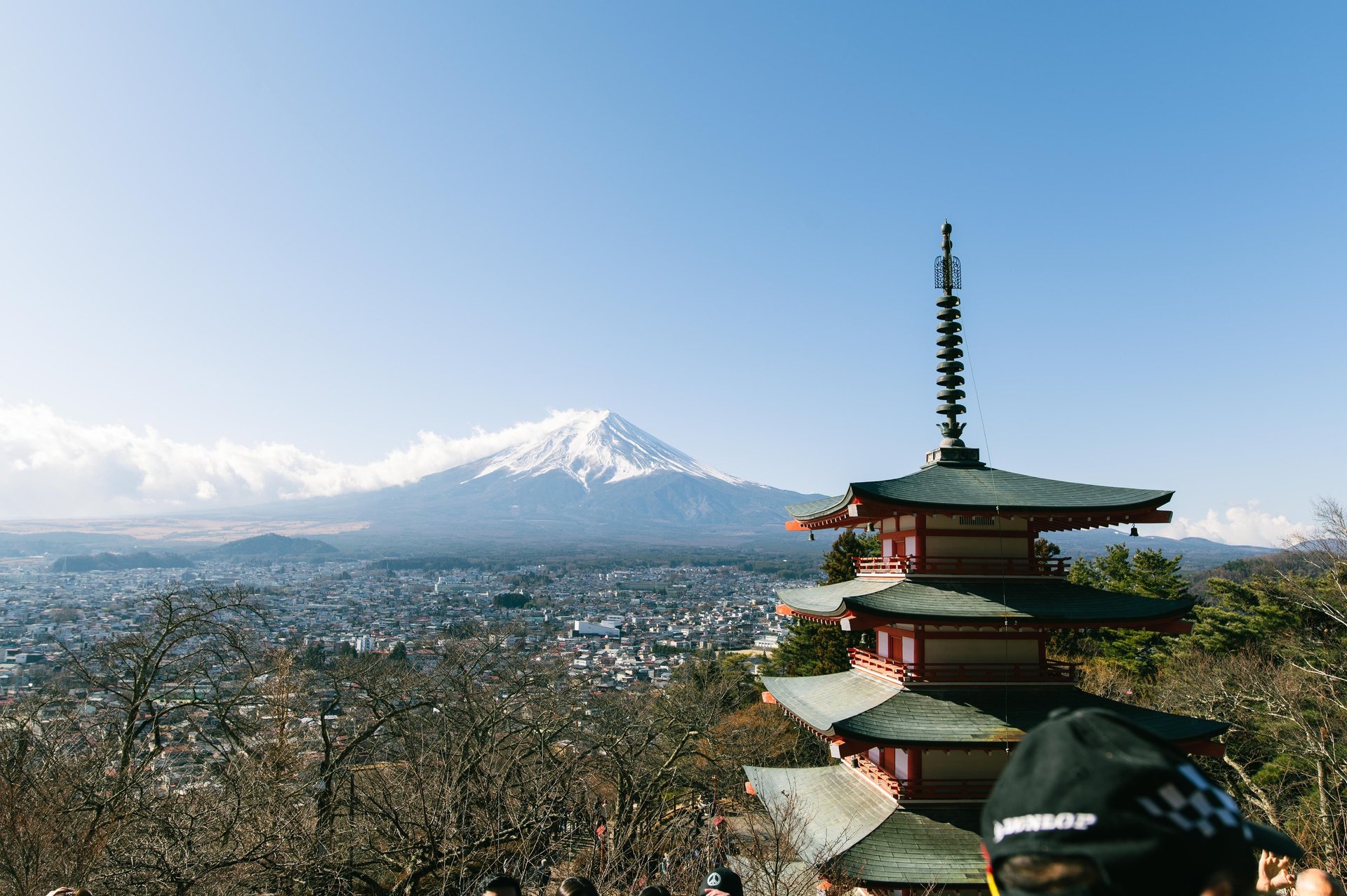
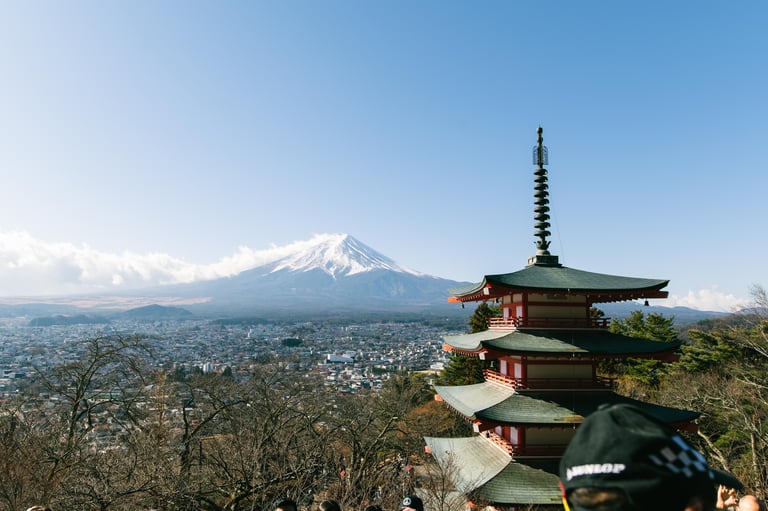
Visited Japan...again, Last Feb 2025
This is a late blog. As I am drunk with the thought of going on a two week vacation for Christmas, starting today, and most importantly, a little drunk with alcohol, I finally had the chance to check the folders in my laptop. I was amazed, and shocked in all honesty, when I saw the pictures for the visit I made to Japan, specifically exploring Mt. Fuji and the beauty of Kawaguchiko, February of this year.
It may seem crazy and funny; but, I truly forgot about it - worse, I forgot to write about it. But, in fairness, I have failed to write for almost all of the trips I made to Japan and I thought I should make it a point to write about them, especially the ones that I really spent time to plan to visit.
More on that some time soon. Soon, because I have a two-week vacation and I intend and hope to make the most out of it.
What I have in mind is to write about Narai-juku, Mino Falls, Osaka's Dotonbori, Yokohama, Atami's Cherry Blossoms (the very first area in Japan to have a confirmed blooming of sakuras in 2025) and Hakone - these are the ones, at least, that I can remember that I want to write about.
But, this time I want to write about my visit to Kawaguchiko; but, for the sake of familiarity for most, let's use Mt. Fuji.
If you want to head straight to the pictures, just go the very bottom of this page.
Introduction to Mt. Fuji and Kawaguchiko
Mt. Fuji, standing at 3,776 meters, is not only the highest peak in Japan but also a revered cultural symbol that embodies the spirit and tradition of the nation. Its nearly symmetrical cone shape, often capped with snow, creates a stunning sight that has inspired poets, artists, and travelers for centuries. Geologically, Mt. Fuji is classified as an active stratovolcano, having erupted numerous times, with its last eruption occurring in 1707 during the Edo period. This geological activity contributes to its unique landscapes, comprised of diverse flora and fauna that flourish in the surrounding areas, showcasing the rich natural heritage of Japan.
As a UNESCO World Heritage Site, Mt. Fuji holds profound cultural significance, representing the beauty and resilience of the Japanese people. It is frequently depicted in art, literature, and photography, symbolizing not just the beauty of the natural world but also the harmony between humanity and nature. Pilgrimages to the mountain have been a tradition for centuries, with many visitors choosing to ascend its slopes for a spiritual journey, while others appreciate its grandeur from a distance.
In the vicinity of Mt. Fuji lies Kawaguchiko, one of the Fuji Five Lakes, known for its breathtaking views and tranquil atmosphere. Kawaguchiko offers visitors a picturesque landscape that perfectly frames Mt. Fuji, with its serene waters reflecting the mountain’s majestic silhouette. The area is renowned for its seasonal beauty, featuring cherry blossoms in spring and colorful foliage in autumn, drawing tourists and nature enthusiasts alike. Furthermore, Kawaguchiko is equipped with numerous recreational opportunities, from hiking and cycling to enjoying hot springs, making it a prime destination for those looking to appreciate the natural splendor surrounding one of Japan's most iconic landmarks.
Arakurayama Sengen Park: A Hidden Gem
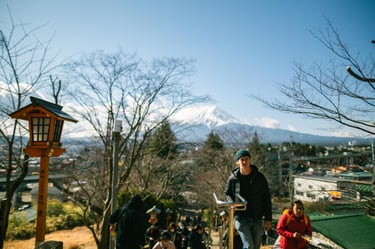
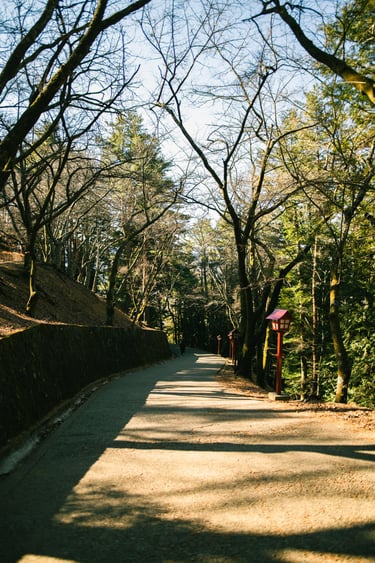
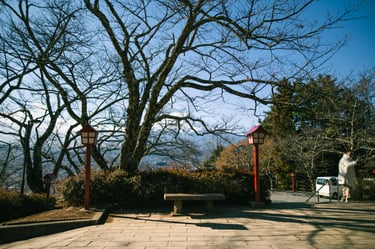
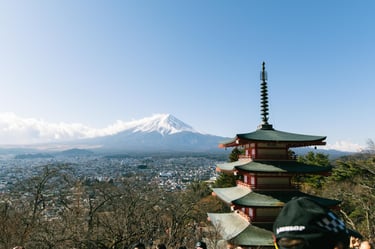
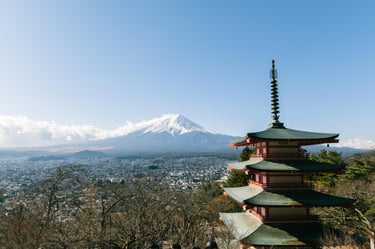
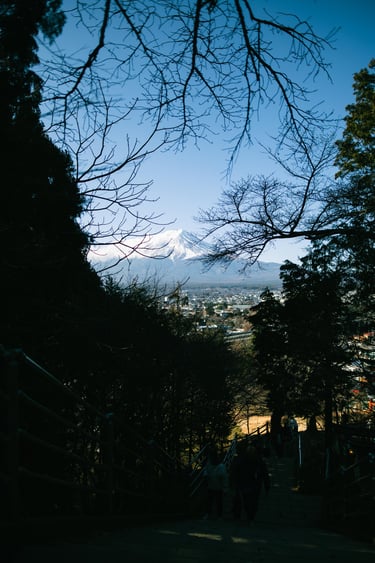
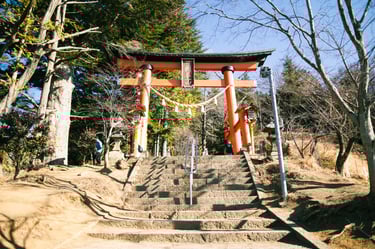
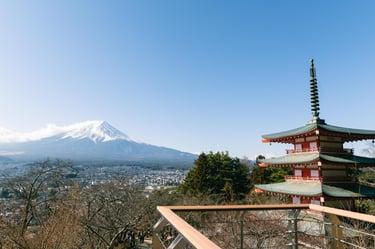
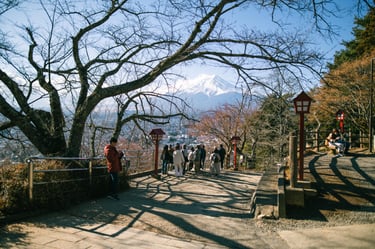
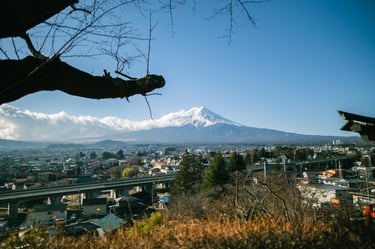
Arakurayama Sengen Park, nestled in the Yamanashi Prefecture, is a stunning destination that offers breathtaking views of Mt. Fuji. The park is renowned for its iconic Chureito Pagoda, a five-story structure that not only serves as a picturesque spot but also holds cultural and historical significance. Built in 1963, the pagoda was constructed as a peace memorial and symbolizes the resilience of the Japanese people. The juxtaposition of the pagoda with the majestic Mt. Fuji creates one of the most photographic scenes in Japan, particularly during the cherry blossom season when the delicate pink flowers frame the view.
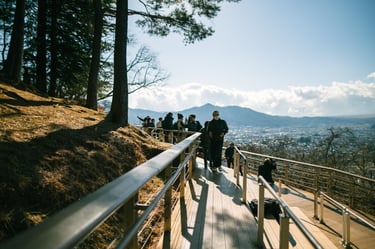
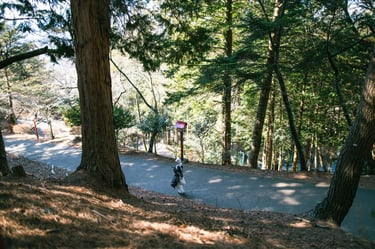
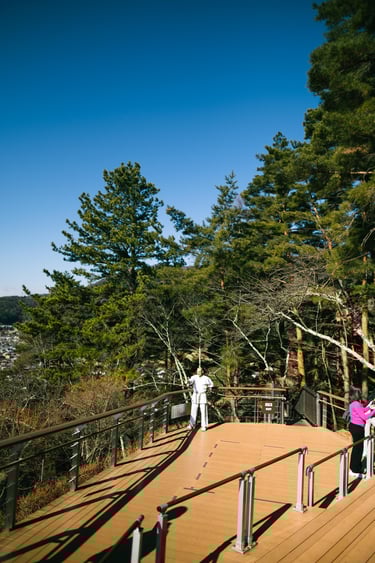
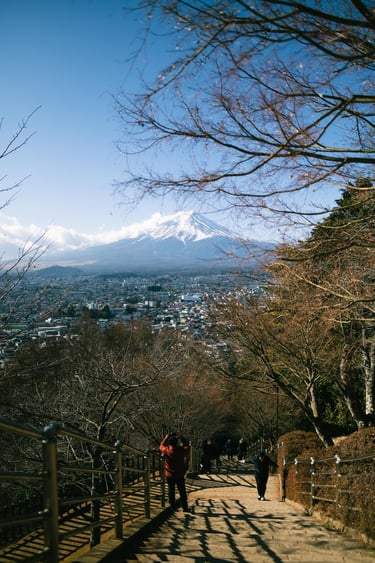
Visitors to Arakurayama Sengen Park can ascend the 400 steps that lead to the observation decks, which reward climbers with exceptional panoramas of the mountain and the surrounding landscapes. This hiking experience is accentuated by various seasonal flora, including cherry blossoms in spring, vibrant foliage in autumn, and the serene beauty of snow-capped scenery in winter. Each season transforms the park, making it a year-round attraction for nature lovers and photographers alike.
For those planning a visit, it is essential to arrive early in the day to capture the best light for photography and to avoid the potential crowds. Wear comfortable shoes, as the journey involves significant stair climbing. Additionally, be mindful of the weather, as visibility of Mt. Fuji can vary. Ultimately, a trip to Arakurayama Sengen Park provides a unique opportunity to immerse oneself in both natural beauty and cultural heritage, making it a true hidden gem in the vicinity of Kawaguchiko.
Lake Kawaguchiko: Nature's Tranquility
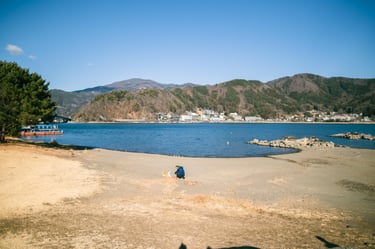
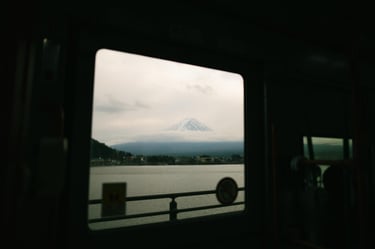
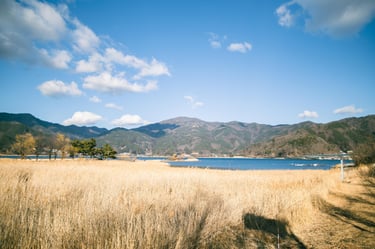
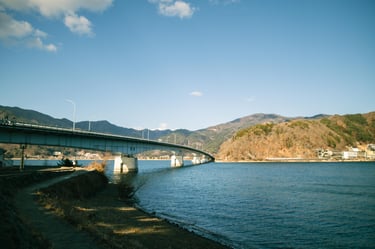
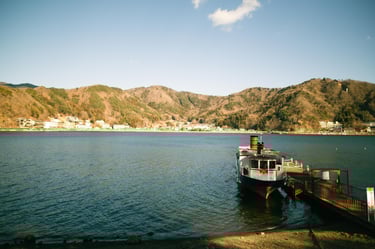
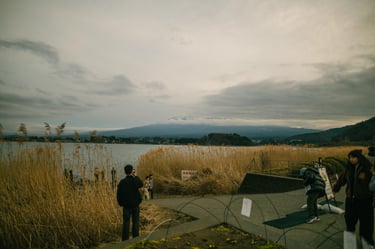
Lake Kawaguchiko, nestled at the foot of Japan’s iconic Mt. Fuji, is renowned for its breathtaking vistas that captivate both locals and tourists alike. This pristine body of water offers a serene escape, making it a perfect spot for relaxation and tranquility. Visitors can revel in the stunning scenery, with the majestic mountain often mirrored beautifully in the lake's reflective surface. The surrounding area is adorned with cherry blossoms in the spring and vibrant foliage in the autumn, offering a changing backdrop throughout the year.
Recreational activities thrive at Lake Kawaguchiko. The lake is a popular destination for boating, allowing individuals to explore its expansive waters while enjoying a unique perspective of Mt. Fuji. Fishing is also a cherished pastime here, with plenty of opportunities to catch local species, providing both relaxation and the thrill of the catch. Furthermore, the area is a haven for photographers, who are drawn to the enchanting landscapes and the chance to capture breathtaking shots at sunrise and sunset.
The significance of Lake Kawaguchiko extends beyond recreation; it serves as a vital retreat for many. Accommodations range from traditional ryokans to modern hotels, providing various options for visitors seeking comfort and convenience. Facilities around the lake cater to tourists and locals, offering dining options featuring local cuisine and shops for souvenirs. Whether it’s a quiet day by the water or an adventure-filled escape, Lake Kawaguchiko remains a beloved destination, embodying nature's tranquility and the allure of Mt. Fuji.
Oshino Hakkai: Springs of Beauty and Life
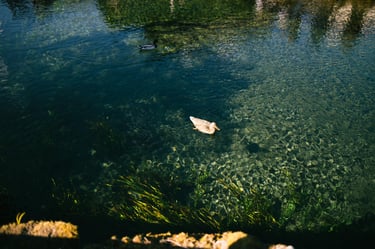
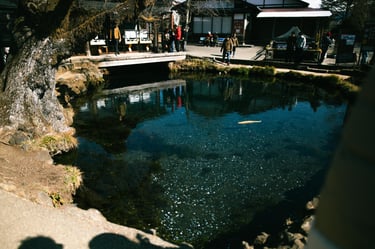
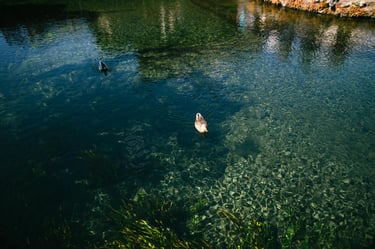
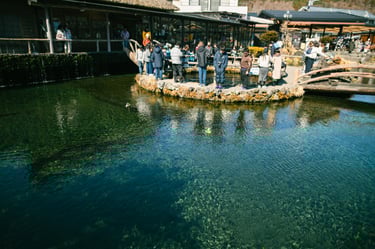
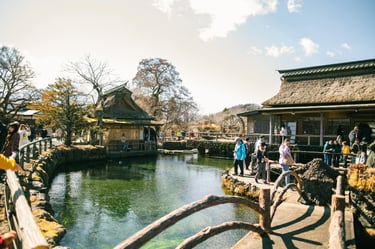
The Oshino Hakkai area is renowned for its eight pristine springs, which are nourished by the melting snow of Mt. Fuji. This remarkable natural phenomenon creates a series of crystal-clear ponds that are not only a visual delight but also an important cultural and environmental treasure. The springs, known as Oshino Hakkai, contribute to the life and resilience of the surrounding ecosystem by providing clean, fresh water to both local residents and wildlife alike.
Each of the eight springs, such as Shakunage no Ike and Choshi no Ike, possesses unique characteristics, reflecting a profound connection to the sacred Mt. Fuji. The water emerging from these springs is exceptionally pure, with a remarkable clarity that has earned it a place in the hearts of both locals and visitors. The surrounding landscapes, with lush greenery and breathtaking views of the iconic mountain, offer a tranquil atmosphere that invites contemplation and appreciation of nature's beauty.
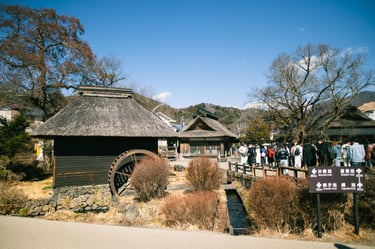
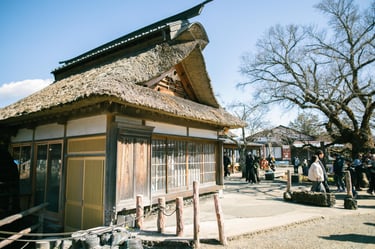
The cultural significance of Oshino Hakkai extends beyond its aesthetic appeal. Local folklore and traditions highlight the importance of these springs in the lives of the people who inhabit the area. Oshino Hakkai is not just a tourist attraction; it serves as a living testament to the harmonious relationship between the environment and the community. Visitors can enjoy the sights and sounds of nature, with walking paths that weave through the enchanting scenery.
Accessing Oshino Hakkai is convenient, as it is located just a short distance from Kawaguchiko, making it an ideal day trip for those exploring the Mt. Fuji region. Public transportation options are readily available, with buses running frequently to the area. Whether you are seeking a peaceful retreat or wishing to immerse yourself in local culture, Oshino Hakkai exemplifies the essence of natural beauty and historical significance.
Cultural Significance: Mt. Fuji in Japanese Tradition
Mount Fuji, standing majestically at 3,776 meters, is not only Japan's tallest peak but also a symbol imbued with rich cultural significance. Its imposing presence pervades Japanese art, literature, and spiritual practices, making it a central character in the nation's cultural history. The reverence for Mt. Fuji is evident in numerous traditional and modern artworks, most famously depicted in Hokusai's woodblock prints which beautifully capture the mountain’s symmetrical silhouette amidst the natural landscape. Such representations emphasize not only its beauty but also its role as a source of inspiration and reflection.
Throughout the year, various festivals celebrating Mt. Fuji illustrate its continued importance in contemporary culture. The Fuji-san Senbatsu Festival, for example, attracts both locals and tourists, allowing participants to honor the mountain through traditional dances and rituals. Additionally, the annual climbing season transforms Mt. Fuji into a vibrant gathering place for adventurers seeking to connect with nature and the revered spirit of the mountain. Locals often engage in acts of homage by hiking the trails, offering prayers, and participating in community efforts to preserve this UNESCO World Heritage Site.
Overall, Mt. Fuji's cultural significance permeates multiple aspects of Japanese life, bridging the gaps between art, spirituality, and community engagement.
Local Cuisine and Experiences
The Fujikawaguchiko area is renowned not only for its breathtaking views of Mt. Fuji but also for its rich culinary offerings that reflect the region’s agricultural heritage and traditional practices. Among the local delicacies, the region's signature dish is Hōtate (scallops), which are harvested fresh from Lake Kawaguchi. The scallops are typically grilled or prepared as sashimi, allowing diners to experience the sweet and tender flavor that this aquatic treat offers.
Another staple is Basashi, or raw horsemeat, which is particularly popular in this region. Served with soy sauce and garlic, this dish provides a unique experience for the adventurous palate. Additionally, the area is known for its high-quality local vegetables, especially cucumbers and wasabi, which are often grown in the nutrient-rich soil around the foothills of Mt. Fuji.
For those looking to experience traditional Japanese dining, ryokans (traditional inns) in the area offer kaiseki meals. Kaiseki is a multi-course dinner that highlights seasonal ingredients, often paired with meticulous presentation. Visitors can enjoy these meals while overlooking stunning views of the mountain, effectively combining culinary excellence with the serene landscape.
When exploring local restaurants, it is recommended to visit establishments like Izakaya Fujisan and Kawaguchiko’s Own Restaurant, which specialize in regional cuisine and provide a welcoming atmosphere. Many of these venues are family-owned, ensuring that guests receive both a warm welcome and authentic dishes made from time-honored recipes.
In addition to dining, visitors can partake in seasonal food festivals that showcase local produce and culinary traditions. These events are an excellent opportunity to sample a variety of flavors and learn about the cultural significance of the dishes, contributing to a deeper appreciation of the Kawaguchiko area.
Tips for Visiting Mt. Fuji and Kawaguchiko
Visiting Mt. Fuji and the picturesque area of Kawaguchiko can be an enriching experience. To make the most of your journey, consider the following practical tips.
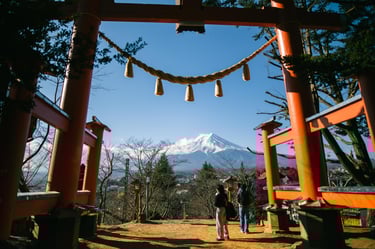
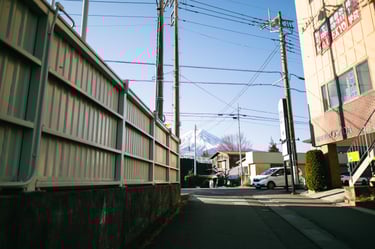
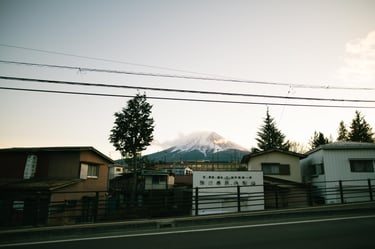
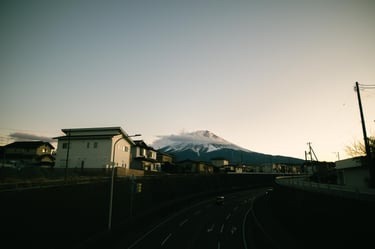
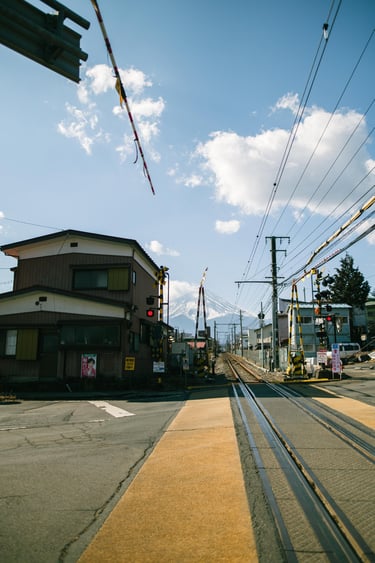
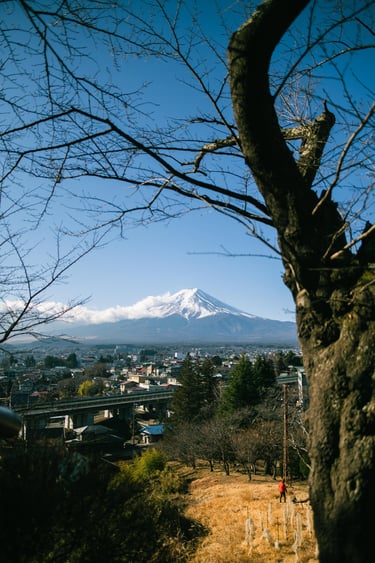
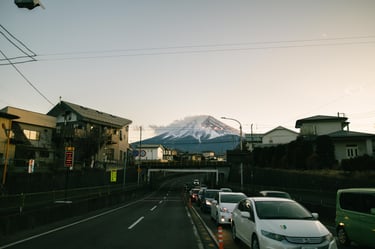
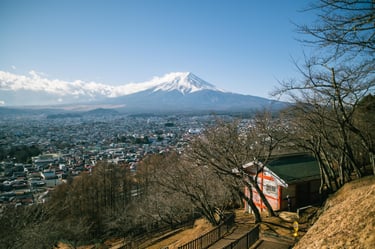
Firstly, the best time to visit Mt. Fuji is during the climbing season, which typically runs from early July to early September. This period offers the clearest weather and access to the mountain trails. But, note that, we visited there in February and we got the chance to see Mt. Fuji cloudless. For those who wish to admire the mountain without climbing, visiting during the spring (April to June) and autumn (September to November) seasons is also highly recommended, as the surrounding scenery transforms during these times.
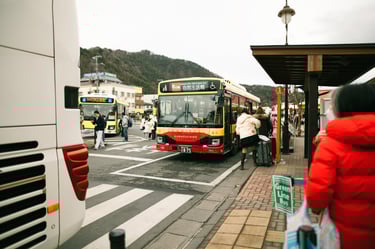
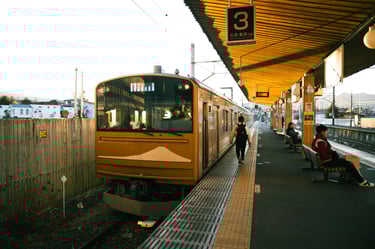
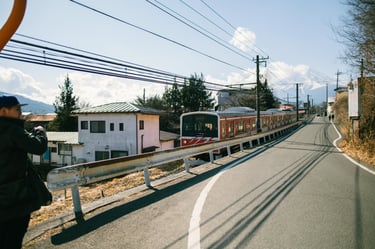
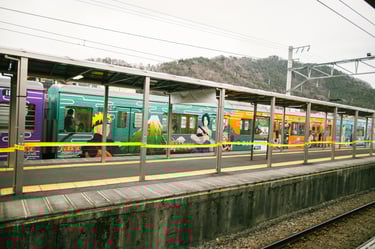
Transportation options to Kawaguchiko include train services from Tokyo to Otsuki, and then transferring to the Fujikyu Railway line, which takes you directly to the Kawaguchiko Station. Alternatively, highway buses are available from major cities, offering a convenient travel option. Once in Kawaguchiko, local buses and rental bicycles are practical for reaching various attractions, such as the Kawaguchiko Music Forest Museum and the scenic Lake Kawaguchi.
Safety is paramount when hiking on Mt. Fuji. It is advisable to wear appropriate hiking gear, stay hydrated, and acclimatize to altitude changes to prevent altitude sickness. Always inform someone of your hiking plans and be aware of the weather conditions, as they can change rapidly.
While in Kawaguchiko, do not miss the stunning views of Mt. Fuji from various vantage points, such as the Chureito Pagoda and the panoramic observation decks around the lake. Embrace the local culture by practicing etiquette, such as bowing politely during greetings and being respectful at shrines.
By considering these tips, you can enhance your visit, making it a memorable adventure in one of Japan's most beautiful regions.